
MENTAL HEALTH PROGRAM DESIGN
UC LEND Curriculum Redesign
As Behavioral Health Managing Fellow with UC LEND, I led a strategic redesign and digital transformation of the program’s interdisciplinary curriculum to create a more cohesive, engaging, and accessible remote learning experience. I restructured the curriculum using Bronfenbrenner’s Ecological Systems Theory and scaffolded learning pathways, digitized and built out the curriculum in Adobe Learning Manager to enable structured and automated learning experiences, and modernized modules with current research, interactive content, and multimedia resources. I also developed and produced original filmed trainings on co-occurring physical and mental health conditions, integrating instructional design, clinical expertise, multimedia storytelling, and visual rebranding to strengthen interdisciplinary neurodevelopmental education and prepare future leaders in health care and innovation.
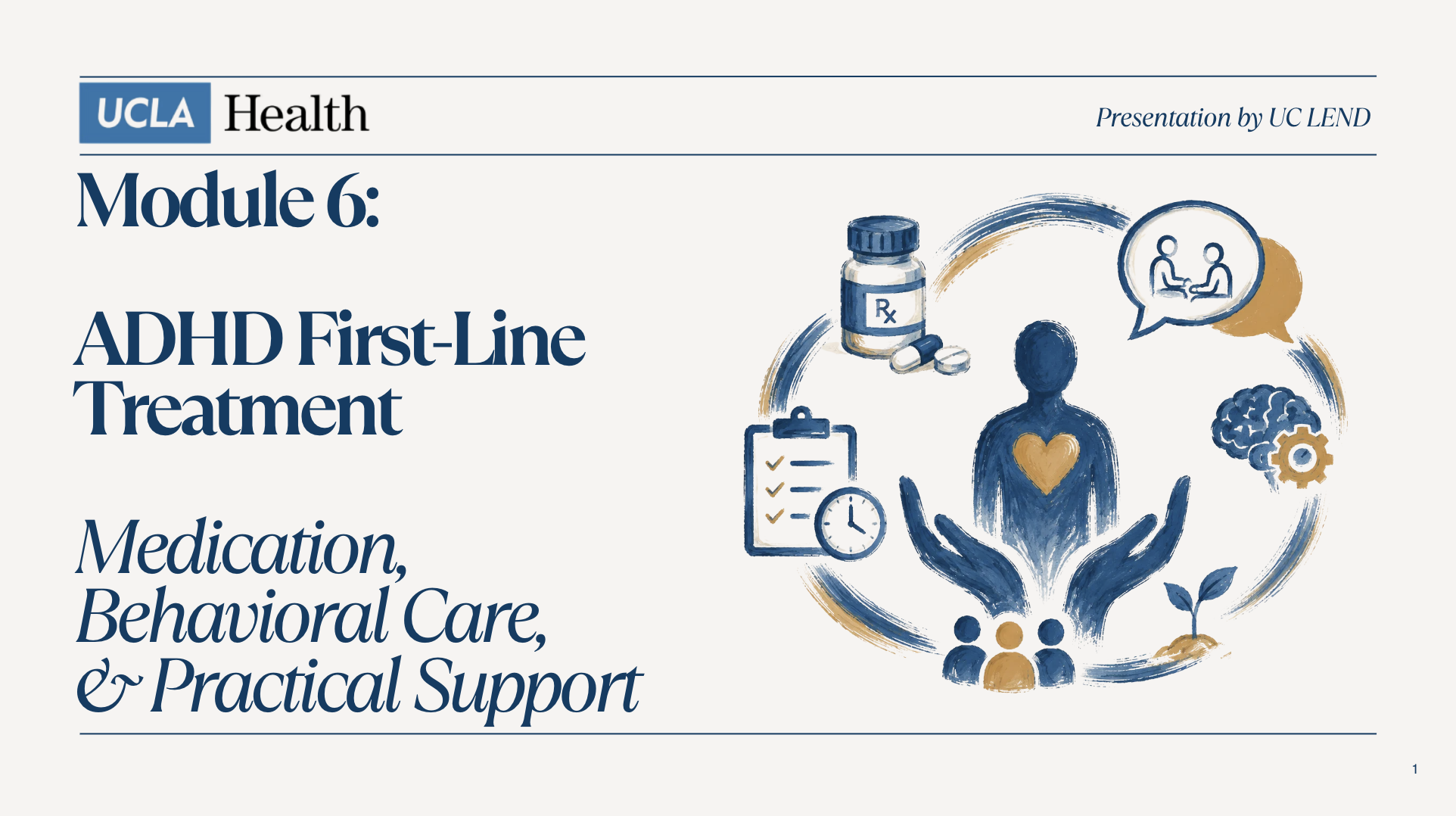
UCLA Health | ADHD Assessment Primary Care Resident Training
The ADHD Assessment Training for Primary Care Residents is a seven-module, case-based curriculum that builds clinicians’ confidence in assessing, diagnosing, and treating ADHD across the lifespan, with the aim at helping physicians catch and treat ADHD earlier. Through realistic patient vignettes, clinicians learn practical approaches to diagnostic assessment, differential diagnosis, screening measures, first-line treatment, and common diagnostic myths. The training emphasizes developmental history, functional impairment, context, co-occurring conditions, and culturally responsive clinical reasoning to support evidence-informed ADHD care.
The Tiny Green Dragon & The Storm of Big Feelings
When Pip, a tiny green dragon, flies into his first unexpected storm, his big feelings are overwhelming. He hides inside a castle tower, too afraid to come out, and students become the brave leaders who help him navigate his fears around the storm to get back outside and fly again.
Designed as an interactive social-emotional learning experience for elementary school children, this program guides children through a series of castle “rooms,” each unlocking a research-informed regulation skill. This escape room style SEL curriculum uses storytelling, movement, prop interaction, and call-and-response participation to motivate students to actively practice:
Naming emotions
Grounding through the five senses
Positive self-talk
Butterfly hugs for self-soothing
Seeking support from a safe adult
Rather than simply teaching coping strategies, this immersive curriculum allows children to embody them. As Pip learns to calm his body and build courage, students internalize the same skills in real time.
By the end of the journey, children leave knowing they are capable, connected, and brave, even in the middle of big feelings.

Names With No Nations: An Interactive Geo-Political Odyssey
Curriculum presented at an International Social Work Consortium (ISUSW).
Names With No Nations is an immersive, interactive curriculum experience designed to help graduate social work students think critically and creatively about systemic injustice in global refugee policy. Through a branching, choose-your-own-adventure format, participants follow the story of Luna and her son as they navigate conflicting laws across three fictional nations—each reflecting real-world geopolitical tensions around asylum, gender, and legal recognition. Rather than positioning students as passive observers, the curriculum casts them as a global social work council tasked with voting on policy interventions, negotiating treaties, launching legal aid initiatives, addressing public backlash, and building cross-border systems that prevent legal invisibility. By blending narrative storytelling with macro-level policy design, the experience encourages systems thinking, ethical reflection, and innovative problem-solving around the complex gaps that leave displaced families unsupported and unseen.

MENTAL HEALTH WEEK SCHOOL PROGRAMMING
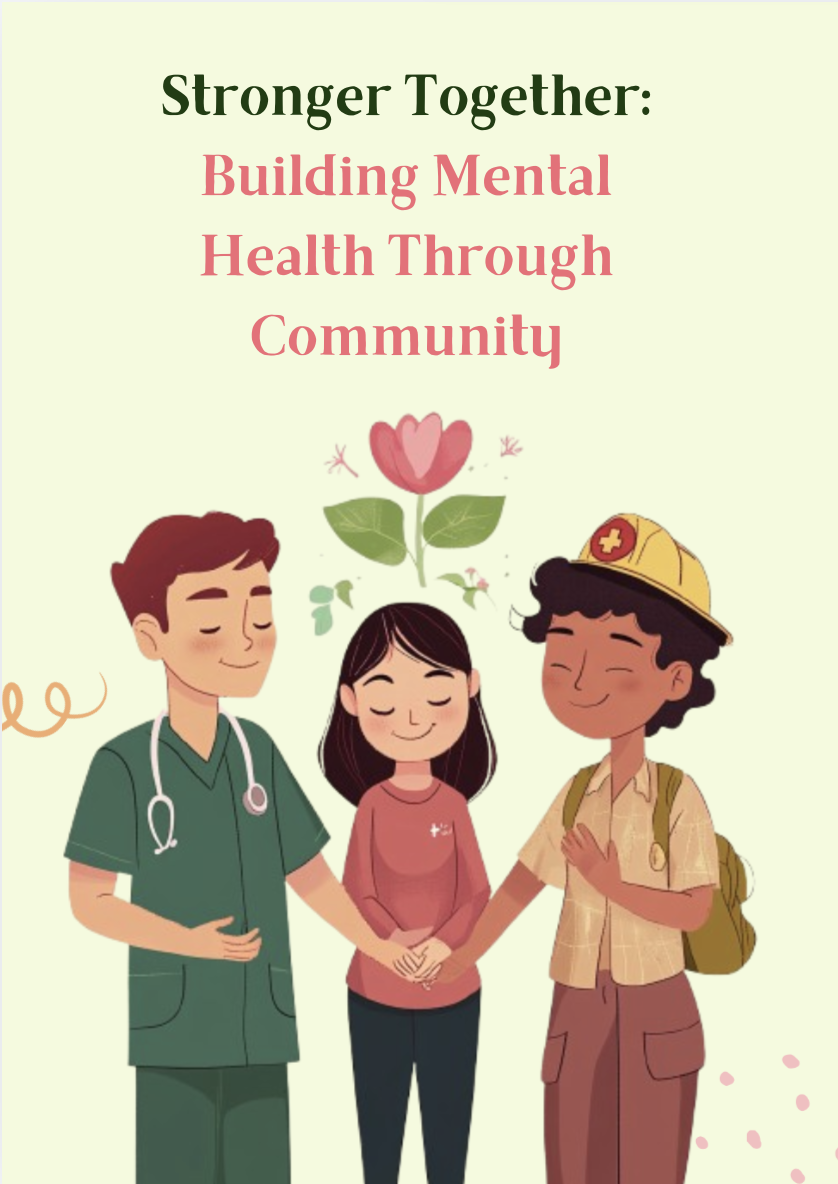
Frostig School’s Mental Health Week centered on the theme “Stronger Together: Building Mental Health Through Community.” The week-long program helped students understand that mental health is just as important as physical health and that connection, kindness, and belonging are essential to well-being.
Each day highlighted a different focus:
Understanding Community – identifying trusted supports
Belonging & Coping – healthy coping strategies through art
Friendship & Kindness – understanding systems of support
Action & Compassion – practicing everyday acts of kindness
Celebration & Gratitude – celebrating those who support us
Through reflection, creativity, and interactive activities, students strengthened peer connections, practiced empathy, and learned that caring for themselves and others helps the entire community thrive.